Heterotopic Heart Transplant
Medicine Treatment Outcomes - Heart Transplant Surgery
A Page to Help People Looking to Research HHT
About Heterotopic Heart Transplant
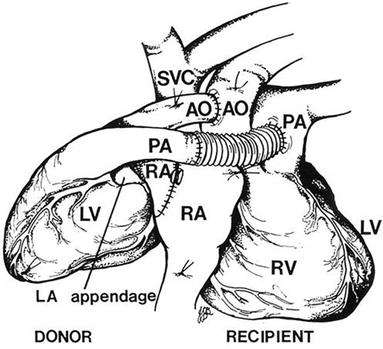
Heterotopic Heart Transplantation (HHT), also known as a piggyback transplant, is an alternative heart transplant surgery technique that applies more to select patients in comparison to the traditional, standard orthotopic heart transplantation method. With the heterotopic heart transplant, patients are connected to a donor's heart without removing the native heart and keeping it in place.
Raw Data: Looking at the Numbers
Information Samples: Organizing the Data
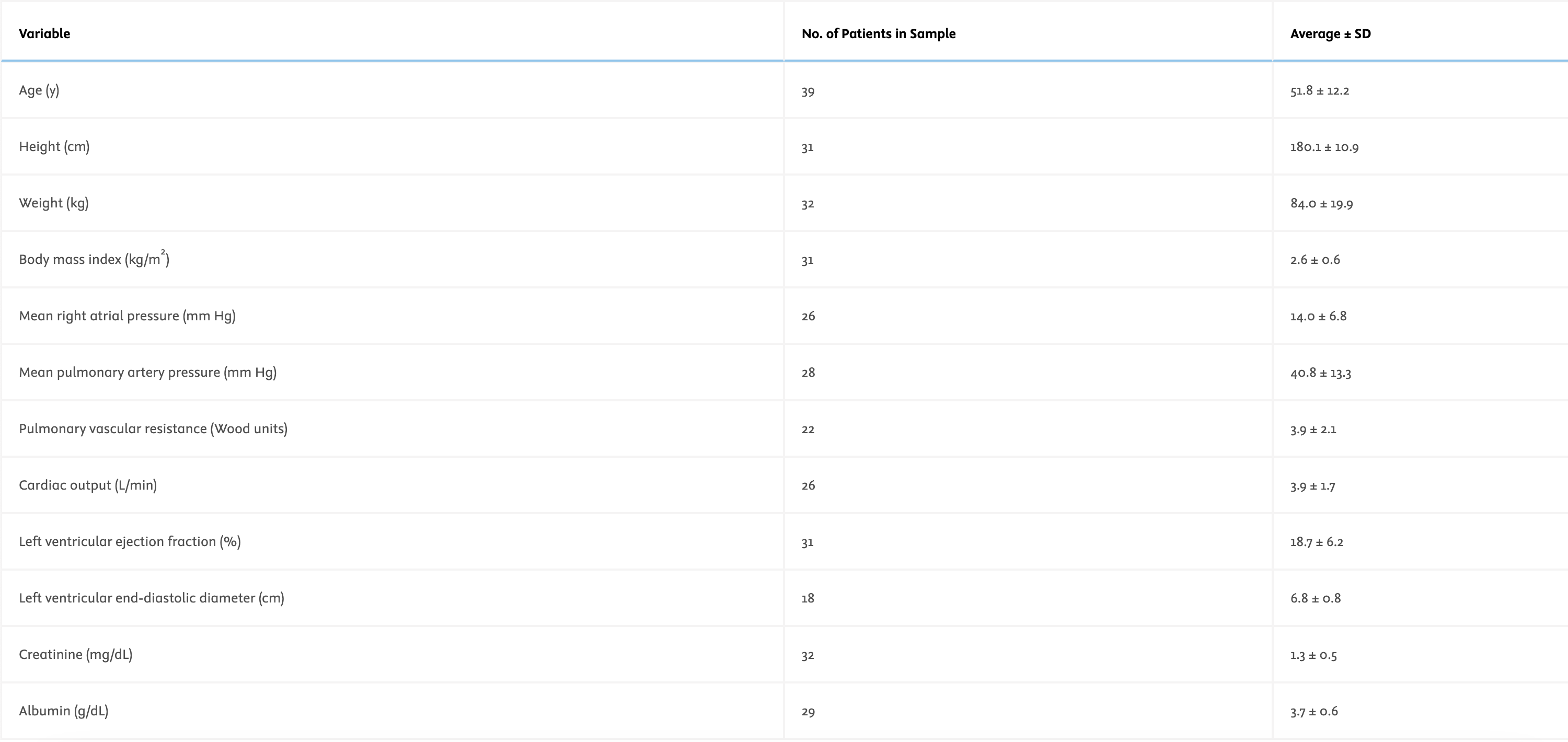
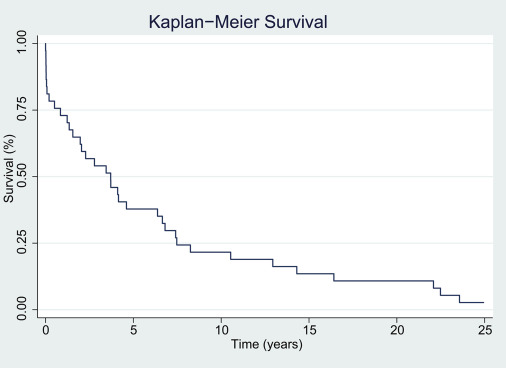
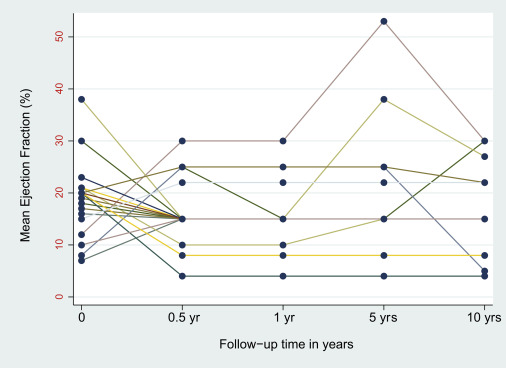
The tables and graphs show patient survival information. According to studies by a group of researchers, the mean age at the time of transplantation was 51.8 years, and most of the patients were overweight: Seven weighed more than 112.5kg and had a body mass index greater than 29.0 kg/m2. Researchers used the Kaplan-Meier survival curve to find that the median survival time for their sample was about 3.5 years, and the mean survival was about 5.8 years. When looking at the scatter plot showing the changes in ejection fraction for the native heart left ventricular during the postoperative phase of the heterotopic cardiac transplantation, researchers were able to create the information from the data analyzed that three patients showed substantial improvement in native heart LVEF over time.
Insights or Knowledge: What We Can Learn from the Data & Information
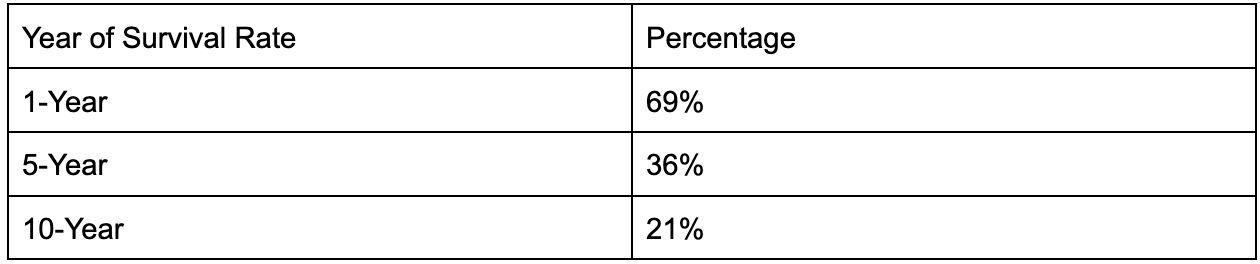
A lot of knowledge can be generated from the available data and information. While there is the traditional orthotopic heart transplantation method, heterotopic heart transplantation can be used on select patients. Especially with the information about overweight patients, heterotopic heart transplantation tends to be more successful in overweight people who need cardiac support. However, it is important to analyze these sources (especially the graphs below) to see that HHT can be riskier than the orthotopic heart transplantation method, as there may be higher early post-operative risks (possibly from mismatched donor hearts). Yet, with there being some plateauing in the graph, it can be noted that there is an improvement in long-term survival for those who survive during a certain period.
Potential Action Items: What Can Be Improved
While unconventional compared to the traditional orthotopic heart
transplant method, heterotopic heart transplantation can ignite
certain action items.
Suggestion for Improved, Interactive Outputs:
Stronger usage of visual tools can potentially make any outputs done by researchers and scientists more interactive and digestible.